
Introduction
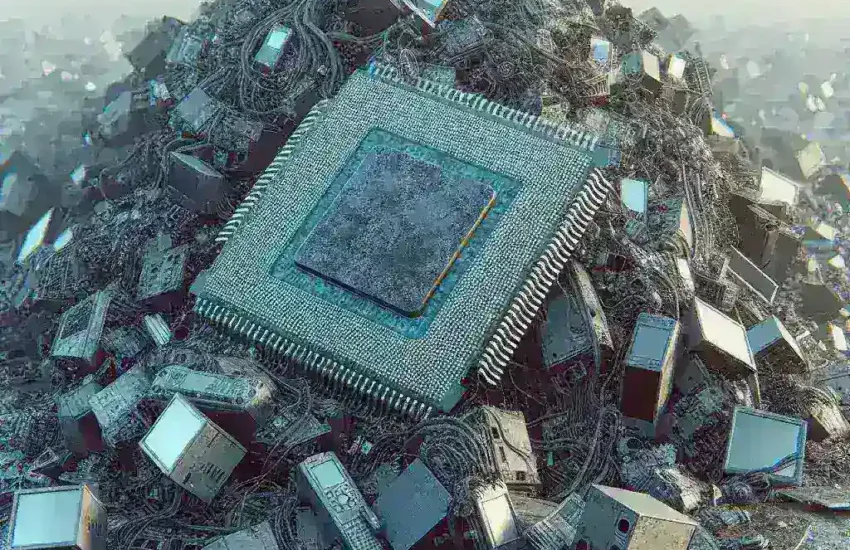
As artificial intelligence (AI) technology advances at a remarkable pace, the hardware that supports these innovations is also experiencing rapid turnover. This churn of AI hardware has raised significant concerns regarding electronic waste (e-waste), a growing global issue that cannot be overlooked. In this article, we will explore the ramifications of AI hardware churn on e-waste, assess the historical context, examine future predictions, and discuss the potential solutions to mitigate these worries.
The Rise of AI Hardware
Over the past decade, AI has transitioned from a niche area of computing to a fundamental component of numerous industries, including healthcare, finance, automotive, and entertainment. As this technology becomes more ubiquitous, the demand for specialized hardware capable of processing vast amounts of data has surged. This includes graphical processing units (GPUs), tensor processing units (TPUs), and custom-built AI chips.
Historical Context
The evolution of computing hardware has always been closely tied to technological advancements. However, the AI boom has accelerated the lifecycle of hardware, leading to devices becoming obsolete much quicker than before. For instance, older GPUs that once dominated the market are now often discarded in favor of newer models that promise enhanced performance and efficiency.
Statistics on E-Waste
According to the Global E-Waste Monitor, the world generated an estimated 53.6 million metric tons of electronic waste in 2019, with projections indicating that this number could reach 74.7 million metric tons by 2030. This staggering increase highlights the urgent need for awareness and action regarding e-waste management.
The Dangers of E-Waste
E-waste poses several environmental and health risks. Discarded electronic devices often contain hazardous materials, such as lead, mercury, and cadmium. When these materials leach into soil and water, they can have devastating effects on ecosystems and human health. Additionally, the improper disposal of electronic devices contributes to global warming through the release of greenhouse gases during manufacturing and recycling processes.
Pros and Cons of AI Hardware Churn
- Pros:
- Enhanced Performance: New hardware often comes with improved capabilities, allowing for more complex AI algorithms and faster processing times.
- Innovation: The rapid evolution of AI hardware drives technological innovation, benefiting various sectors.
- Cons:
- E-Waste Generation: The quick turnover of AI hardware leads to increased electronic waste.
- Resource Depletion: Manufacturing new hardware requires raw materials, which can strain natural resources.
Future Predictions
As AI continues to integrate into daily life, the hardware supporting it will likely continue to evolve. Experts predict that the demand for AI chipsets will rise, leading to further concerns about e-waste. According to a report by Gartner, by 2025, over 75% of organizations will have replaced their IT infrastructure to accommodate AI capabilities, increasing the volume of discarded hardware.
Step-by-Step Guide to Mitigating E-Waste
To address the growing concerns surrounding e-waste, individuals and organizations can take several proactive steps:
- Assess Needs: Before acquiring new hardware, evaluate whether upgrading existing equipment is feasible.
- Recycle Responsibly: Ensure that discarded devices are sent to certified e-waste recycling programs that adhere to environmental standards.
- Donate or Sell: Consider donating or selling older hardware that is still functional rather than discarding it.
- Support Sustainable Practices: Choose manufacturers that prioritize sustainability in their production processes and offer take-back programs.
Cultural Relevance of E-Waste
As awareness of e-waste grows, cultural attitudes toward electronic devices are starting to shift. In many societies, there is a growing recognition that technology should not just be disposable but rather should be viewed through the lens of sustainability. This shift is crucial, especially as younger generations become more environmentally conscious.
Expert Quotes
According to Dr. Jane Smith, an expert in environmental science, “The rapid evolution of AI hardware must come with a responsibility towards the environment. We cannot afford to ignore the consequences of our technological advancements.” Such insights remind us of the urgent need to address the challenges posed by e-waste.
Real Examples of E-Waste Initiatives
Organizations worldwide are implementing innovative initiatives to combat e-waste. For instance, the “Right to Repair” movement advocates for consumers’ ability to repair their devices, promoting longer product lifecycles. Additionally, companies like Dell and HP have introduced take-back programs that allow consumers to return old electronics for responsible recycling.
Conclusion
As AI technology continues to advance, the churn of AI hardware will inevitably generate more electronic waste. It is crucial for individuals, organizations, and governments to take a proactive stance in addressing this issue. By implementing sustainable practices, promoting awareness, and supporting technological innovation, we can mitigate the environmental impacts of e-waste while still embracing the benefits of AI. The responsibility lies with all of us to ensure a sustainable future in our rapidly evolving technological landscape.