
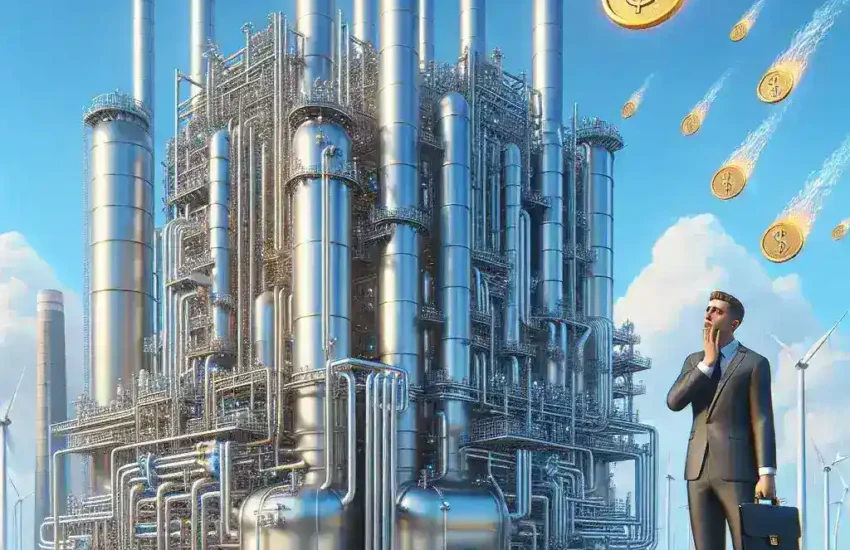
The Clean Hydrogen Industry: An Overview
The clean hydrogen industry has gained significant attention as a viable alternative energy source. Hydrogen is touted for its potential to decarbonize various sectors, including transportation, manufacturing, and energy generation. As nations commit to reducing carbon emissions, the push for clean hydrogen is more pronounced than ever. However, the industry faces a set of formidable challenges, particularly with mounting costs and reduced tax incentives.
Rising Costs: A Major Concern
One of the most pressing issues confronting the clean hydrogen industry is the escalating costs associated with production, storage, and distribution. Several factors contribute to these rising expenses:
- Production Technologies: Clean hydrogen is primarily produced through two methods: electrolysis and steam methane reforming (SMR). While electrolysis is the most sustainable method, it is also the most expensive due to the high cost of electricity and the technology itself.
- Infrastructure Needs: The production, storage, and transportation of hydrogen necessitate significant infrastructure investments. Building the required infrastructure is capital-intensive and often takes years to develop.
- Market Competition: As the market for renewable energy sources expands, clean hydrogen competes with other technologies, such as batteries and solar energy, which may offer lower costs and faster deployment times.
- Raw Material Prices: The fluctuating prices of raw materials, including precious metals used in electrolysis systems, further exacerbate production costs.
Reduced Tax Incentives: A Double-Edged Sword
Tax incentives have traditionally played a crucial role in fostering growth within the clean hydrogen sector. However, recent legislative changes in various countries have led to reduced incentives, making it more difficult for companies to invest in hydrogen initiatives. Here are some implications of these changes:
- Investment Hesitancy: The reduction in tax incentives creates a climate of uncertainty among investors. Companies may be less willing to commit to large-scale hydrogen projects without the financial safety net that tax credits provide.
- Slowed Innovation: With diminished financial support, research and development efforts may stall. This stagnation can hinder innovation in production techniques and technologies essential for reducing costs.
- Job Implications: As investments slow, job creation within the hydrogen sector may also be impacted. A thriving clean hydrogen industry has the potential to provide numerous job opportunities, but reduced incentives could lead to layoffs and hiring freezes.
Historical Context: Understanding the Evolution
The clean hydrogen industry has evolved significantly over the past few decades. In the 1970s and 1980s, interest in hydrogen surged due to the oil crisis, leading to government-funded research. However, interest waned as oil prices stabilized. The recent focus on renewable energy and climate change has rekindled interest in hydrogen.
The Role of Policy in Shaping the Industry
Governments worldwide have recognized the potential of hydrogen in achieving climate goals. The European Union, for instance, has established a hydrogen strategy aimed at increasing production capacity, developing infrastructure, and fostering collaboration between member states. However, inconsistent policies across regions have led to disparities in growth rates within the industry.
The Future of Clean Hydrogen
Despite the challenges, there is optimism surrounding the clean hydrogen industry. Experts predict that as technology advances and economies of scale are achieved, the cost of clean hydrogen will decrease significantly over the next decade. Furthermore, international collaborations and investments are expected to accelerate the development of hydrogen technologies.
Pros and Cons of Clean Hydrogen
When evaluating the role of clean hydrogen in the energy landscape, it is essential to consider its advantages and disadvantages:
- Pros:
- Versatility: Hydrogen can be used across multiple sectors, including transportation, heating, and electricity generation.
- Storage Potential: Hydrogen can be stored for long periods, addressing the intermittency issues associated with renewable energy sources.
- Low Emissions: When produced sustainably, hydrogen emits no greenhouse gases during combustion.
- Cons:
- Production Emissions: Traditional methods of hydrogen production can be carbon-intensive unless renewable energy is used.
- Infrastructure Challenges: The lack of established hydrogen infrastructure poses logistical barriers to widespread adoption.
- Cost Competitiveness: Clean hydrogen must compete with other energy sources that may currently be cheaper and more accessible.
Conclusion: Navigating the Challenges Ahead
The clean hydrogen industry is at a critical juncture, grappling with rising costs and reduced tax incentives. While these challenges are significant, they are not insurmountable. Through continued innovation, public-private partnerships, and supportive government policies, the clean hydrogen sector can overcome these hurdles and play a pivotal role in our transition to a sustainable energy future.