
Understanding Client Expectations and Initial Consultation
Wedding video editing begins long before you touch any footage. The foundation of exceptional client service lies in thorough communication during the initial consultation phase. Professional wedding videographers must establish clear expectations regarding deliverables, timelines, and creative vision. During this crucial stage, discuss the couple’s preferred editing style, whether they envision a cinematic narrative, documentary approach, or highlight reel format.
Create a comprehensive questionnaire covering essential details such as must-have moments, special songs, family dynamics, and any sensitive situations to handle delicately. This proactive approach prevents misunderstandings and ensures your final product aligns perfectly with their dreams. Document everything in writing, including revision policies and delivery schedules, to maintain professional boundaries while fostering trust.
Essential Software and Hardware Requirements
Selecting appropriate editing software significantly impacts your workflow efficiency and final output quality. Industry-standard options include Adobe Premiere Pro, Final Cut Pro X, and DaVinci Resolve, each offering unique advantages for wedding videography. Adobe Premiere Pro provides seamless integration with other Creative Cloud applications, while Final Cut Pro X excels in rendering speed and magnetic timeline functionality.
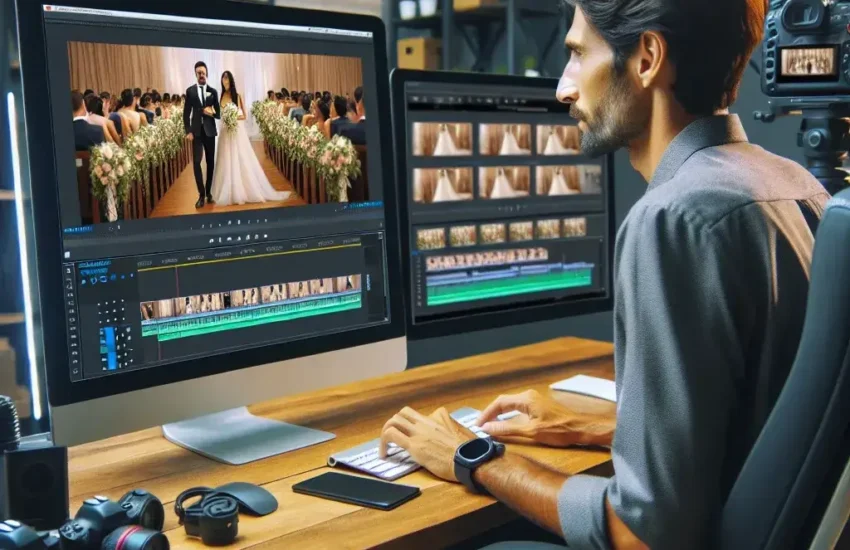
Hardware considerations extend beyond processing power to include adequate storage solutions, high-resolution monitors for color accuracy, and professional audio equipment for sound design. Invest in external hard drives with fast transfer speeds, as wedding footage typically involves multiple camera angles and extended recording times. A calibrated monitor ensures accurate color representation, crucial for delivering consistent results across different viewing platforms.
Organizing and Managing Wedding Footage
Effective file organization forms the backbone of professional wedding video editing. Develop a systematic folder structure that accommodates multiple camera angles, audio sources, and various ceremony segments. Create separate folders for ceremony footage, reception highlights, getting-ready sequences, and B-roll material. This methodical approach streamlines the editing process and facilitates quick location of specific clips during post-production.
Implement a naming convention that includes date, location, and content type for easy identification. Back up all original footage immediately upon receiving it, maintaining multiple copies across different storage devices. Consider cloud storage solutions for additional security and remote access capabilities, particularly when collaborating with other team members or editors.
Color Correction and Grading Techniques
Color correction establishes the visual foundation of your wedding film, ensuring consistent exposure and white balance across all footage. Begin with basic adjustments including highlights, shadows, and midtones before progressing to creative color grading. Wedding videos benefit from warm, romantic color palettes that enhance the emotional impact of key moments.
Develop signature looks that distinguish your work while remaining timeless and elegant. Avoid overly trendy color treatments that may appear dated within a few years. Instead, focus on enhancing natural skin tones and creating pleasing contrast that draws attention to the couple throughout their special day. Utilize scopes and waveform monitors to maintain technical accuracy while pursuing creative vision.
Audio Design and Music Selection
Professional audio design elevates wedding videos from simple documentation to emotional storytelling. Layer ambient ceremony sounds, heartfelt vows, and carefully selected music to create an immersive viewing experience. Clean up audio tracks by removing background noise, adjusting levels, and synchronizing multiple audio sources for optimal clarity.
Music selection requires careful consideration of licensing requirements and emotional appropriateness. Many couples provide specific songs with personal significance, while others prefer professional recommendations. Maintain a curated library of royalty-free music suitable for different wedding moments, from processional grandeur to reception celebration energy. Balance music volume to preserve the authenticity of spoken vows and important dialogue.
Storytelling Through Strategic Editing
Transform raw footage into compelling narrative through thoughtful pacing and sequence selection. Wedding films should flow naturally from preparation excitement through ceremony solemnity to reception joy. Identify key emotional beats and build tension toward significant moments like the first kiss, ring exchange, and first dance.
Incorporate reaction shots from family and friends to provide context and emotional depth. These genuine moments often prove more powerful than formal posed footage, creating authentic connections with viewers. Vary shot compositions and lengths to maintain visual interest while respecting the natural rhythm of wedding day events.
Client Communication During Post-Production
Maintain regular communication throughout the editing process to ensure client satisfaction and manage expectations. Provide progress updates at predetermined milestones, sharing rough cuts or preview segments when appropriate. This transparency builds confidence in your professional process while allowing for minor adjustments before final delivery.
Establish clear revision policies that balance client input with creative integrity. Offer a specific number of revision rounds included in your package, with additional changes available at predetermined rates. This approach protects your time investment while demonstrating commitment to client satisfaction.
Delivery Formats and Distribution Methods
Modern couples expect multiple delivery options accommodating various viewing preferences and sharing scenarios. Provide high-resolution files for archival purposes alongside compressed versions optimized for social media sharing. Consider creating different edit lengths, including full ceremony documentation, highlight reels, and social media teasers.
Utilize cloud-based delivery platforms that allow secure file sharing and download tracking. These services provide professional presentation while protecting your work through password protection and expiration dates. Include viewing instructions and technical specifications to ensure optimal playback across different devices and platforms.
Building Long-Term Client Relationships
Exceptional wedding video editing extends beyond technical proficiency to encompass relationship building and customer service excellence. Follow up with clients after delivery to gather feedback and address any concerns promptly. This attention to detail often generates referrals and repeat business for anniversary celebrations or family events.
Create a portfolio showcasing diverse editing styles and wedding types to attract varied clientele. Maintain active social media presence featuring recent work while respecting client privacy preferences. Develop relationships with wedding planners, photographers, and venue coordinators who can provide valuable referrals and collaborative opportunities.
Pricing Strategy and Business Considerations
Establish pricing structures that reflect your skill level, market position, and business expenses. Consider offering tiered packages accommodating different budget levels while maintaining profitable margins. Factor in editing time, software licensing, equipment depreciation, and business overhead when calculating rates.
Protect your business through comprehensive contracts covering usage rights, payment schedules, and liability limitations. Consider professional insurance options that protect against equipment damage and potential legal issues. These precautions demonstrate professionalism while safeguarding your investment in wedding videography.
Staying Current with Industry Trends
Wedding video editing continues evolving with technological advances and changing client preferences. Stay informed about emerging techniques, software updates, and industry best practices through professional development opportunities. Attend workshops, online courses, and industry conferences to maintain competitive advantages.
Experiment with new editing techniques during personal projects before implementing them in client work. This approach allows creative exploration while maintaining consistent quality standards for paying customers. Professional videography communities provide valuable resources for continued learning and peer networking opportunities.
Monitor social media trends and popular wedding content to understand current aesthetic preferences while maintaining your unique creative voice. Balance trendy elements with timeless techniques ensuring your work remains relevant and emotionally resonant for years to come. Remember that wedding videos serve as family heirlooms, making longevity considerations paramount in creative decision-making.