
Introduction
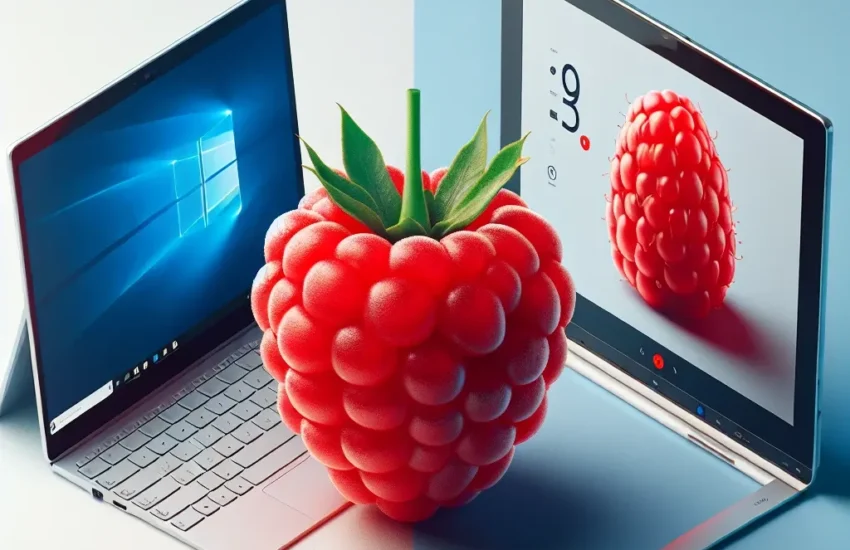
In the ever-evolving landscape of technology, users are constantly on the lookout for alternatives to traditional computing solutions. The Raspberry Pi has long been a favorite for hobbyists and educators alike, but as technology advances, new contenders are stepping into the ring. Two notable alternatives that have surfaced are ultrabooks and e-ink monitor setups. This article will explore these options, weighing their advantages and disadvantages, as well as providing a comprehensive comparison to help you make an informed choice.
The Raspberry Pi: A Brief Overview
The Raspberry Pi, launched in 2012, has become synonymous with low-cost computing. This credit-card-sized computer has made waves in the DIY community, serving as a gateway for learning programming, electronics, and hardware projects. Thanks to its versatility and support for various operating systems, the Raspberry Pi has been adopted in schools, homes, and even commercial settings.
Historical Context
Initially intended as an educational tool, the Raspberry Pi has evolved into a multifaceted device capable of managing tasks ranging from media centers to home automation systems. As technology continues to progress, the question arises: is the Raspberry Pi still the best option for users, or are alternatives such as ultrabooks and e-ink monitors more suitable?
Ultrabooks: A Modern Computing Solution
What is an Ultrabook?
Ultrabooks are sleek, lightweight laptops designed for portability without sacrificing performance. They typically feature solid-state drives (SSDs), high-resolution displays, and robust processing power, making them ideal for professionals and students alike.
Advantages of Ultrabooks
- Performance: With advanced processors and ample RAM, ultrabooks can handle demanding applications, from design software to game emulators.
- Portability: Their lightweight design makes them easy to transport, allowing users to work on the go.
- Battery Life: Ultrabooks generally offer impressive battery longevity, often lasting a full day on a single charge.
- Build Quality: Many ultrabooks boast premium materials, enhancing durability and aesthetics.
Disadvantages of Ultrabooks
- Cost: Ultrabooks tend to be more expensive than Raspberry Pi setups, which might not fit every budget.
- Limited Upgradability: Many ultrabooks have soldered components, making upgrades difficult or impossible.
- Overkill for Simple Tasks: For basic tasks, an ultrabook may offer more power than necessary, leading to wasted resources.
E-ink Monitors: A Unique Alternative
Understanding E-ink Technology
E-ink monitors, often associated with e-readers, utilize electronic ink technology to create a paper-like display. This technology is particularly appealing for reading-intensive tasks, such as coding or document review, due to its low power consumption and eye-friendly characteristics.
Advantages of E-ink Monitors
- Eye Comfort: E-ink displays reduce eye strain compared to traditional screens, making them suitable for long work sessions.
- Power Efficiency: E-ink monitors consume minimal power, often requiring less frequent charging.
- Portability: Many e-ink monitors are lightweight and compact, ideal for mobile setups.
Disadvantages of E-ink Monitors
- Limited Functionality: E-ink monitors are primarily designed for reading and may not be suitable for graphic-intensive tasks.
- Refresh Rate: The refresh rate of e-ink displays is slower than that of traditional monitors, which could hinder interactive applications.
- Color Limitations: While color e-ink monitors exist, they are often not as vibrant as LCD or LED displays.
Comparing Ultrabooks and E-ink Monitors
Performance vs. Purpose
Choosing between an ultrabook and an e-ink monitor ultimately comes down to your individual needs. Ultrabooks excel in performance and versatility, making them suitable for a wide range of applications, from programming to media consumption. In contrast, e-ink monitors shine in specific scenarios, particularly where prolonged reading is required without the fatigue associated with traditional screens.
Use Cases
For students or professionals who require a portable device capable of running demanding software, an ultrabook is the clear choice. However, for writers, researchers, or anyone who spends considerable time reading, an e-ink monitor may provide a more suitable solution.
Future Predictions: Where Are We Headed?
As technology continues to advance, we can expect to see further innovations in both ultrabooks and e-ink technology. Ultrabooks may become even more powerful and lightweight, while e-ink displays could evolve to include color and multimedia capabilities. This evolution will likely blur the lines between the two options, offering users more tailored solutions to their computing needs.
Conclusion
In summary, the choice between ultrabooks and e-ink monitor setups as alternatives to Raspberry Pi devices hinges on your specific requirements. Ultrabooks offer robust performance and versatility, while e-ink monitors provide a comfortable and efficient reading experience. By understanding the strengths and weaknesses of each option, you can make an informed decision that best suits your computing needs.