
Introduction
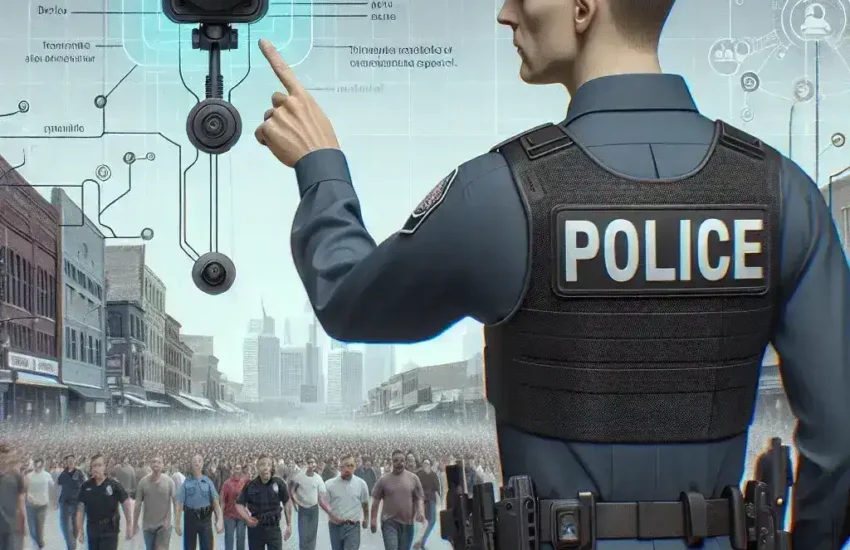
In the ever-evolving landscape of law enforcement, the integration of technology plays a crucial role in enhancing transparency and accountability. One of the most significant advancements in recent years is the testing of body cameras equipped with real-time AI transcription systems by U.S. police departments. This innovative approach not only aims to improve the quality of evidence collected during encounters but also seeks to foster trust within the communities they serve.
The Evolution of Body Cameras
Body cameras have been a topic of discussion in law enforcement for over a decade. Initially introduced as a means to document police interactions, these devices have transformed into essential tools that provide a visual record of events. However, the implementation of body cameras has not been without controversy, with debates surrounding privacy, data storage, and the potential for misuse. The introduction of real-time AI transcription presents an opportunity to address some of these concerns.
Historical Context
Following high-profile incidents of police misconduct and violence, the demand for body cameras surged. Studies indicated that their presence could reduce incidents of excessive force and complaints against officers. As a result, various police departments across the United States began adopting body cameras, but challenges remained regarding the management of video data and accessibility to the public.
What is Real-Time AI Transcription?
Real-time AI transcription utilizes advanced machine learning algorithms to convert spoken language into text instantly. This technology has found applications in various fields, including journalism, accessibility, and now, law enforcement. By integrating this capability into body cameras, officers can automatically transcribe their interactions during incidents, creating a textual record that can complement video footage.
Benefits of Real-Time AI Transcription
- Enhanced Accuracy: Real-time transcription can reduce human error in documentation, providing a more accurate account of conversations during critical incidents.
- Improved Accountability: With textual records accompanying video footage, there is less room for misinterpretation or manipulation of evidence.
- Streamlined Reporting: Officers can focus on their interactions instead of meticulously documenting every detail, leading to more efficient reporting processes.
- Increased Transparency: The availability of accurate and timely transcripts can help build trust between law enforcement and the communities they serve.
Challenges and Concerns
Despite the numerous benefits, the implementation of AI transcription in body cameras is not without challenges. Privacy concerns arise regarding the storage and access to recorded conversations. Additionally, the technology is not infallible; inaccuracies in transcription could lead to misunderstandings and disputes over what was said during interactions.
Addressing Privacy Concerns
To mitigate privacy issues, police departments must establish clear guidelines on the usage and retention of recorded data. This includes limiting access to transcripts and ensuring that sensitive information is handled appropriately. Additionally, transparency regarding the technology’s capabilities and limitations is essential to maintaining public trust.
Case Studies: Departments Leading the Way
Several police departments across the U.S. have begun pilot programs to test body cameras with real-time AI transcription. These case studies provide valuable insights into the practicality and effectiveness of this technology.
Example 1: Los Angeles Police Department
The Los Angeles Police Department (LAPD) has been at the forefront of adopting advanced technologies in policing. In collaboration with tech companies, the LAPD launched a pilot program to integrate real-time AI transcription into their body camera systems. Early results indicate a reduction in the time officers spend on report writing, allowing them to engage more effectively with the community.
Example 2: Seattle Police Department
The Seattle Police Department has also implemented a similar pilot program, focusing on improving the accuracy of incident reporting. By utilizing real-time transcription, officers can capture critical details during high-pressure situations, ensuring that their reports reflect the nuances of each encounter.
Future Predictions: The Role of AI in Law Enforcement
As technology continues to advance, the role of AI in law enforcement will likely expand. The integration of AI transcription in body cameras is just the beginning. Future developments may include enhanced predictive policing models, automated monitoring of officer behavior, and advanced analytics to identify patterns in crime.
A Shift Towards Community Policing
With the implementation of technologies like AI transcription, there is potential for a cultural shift within law enforcement agencies towards more community-focused approaches. By fostering transparency and accountability, police departments can rebuild trust with the communities they serve.
Conclusion
The testing of body cameras with real-time AI transcription by U.S. police departments represents a significant step forward in law enforcement technology. While challenges remain, the potential benefits of enhanced accountability, accuracy, and transparency present an opportunity for police departments to better serve their communities. As this technology continues to evolve, it will be crucial for law enforcement agencies to navigate the complexities associated with privacy and data management, ensuring that the rights of individuals are respected while promoting safer communities.